
Chasing Chile’s Wild Contrasts: A Seasonal Travel Guide
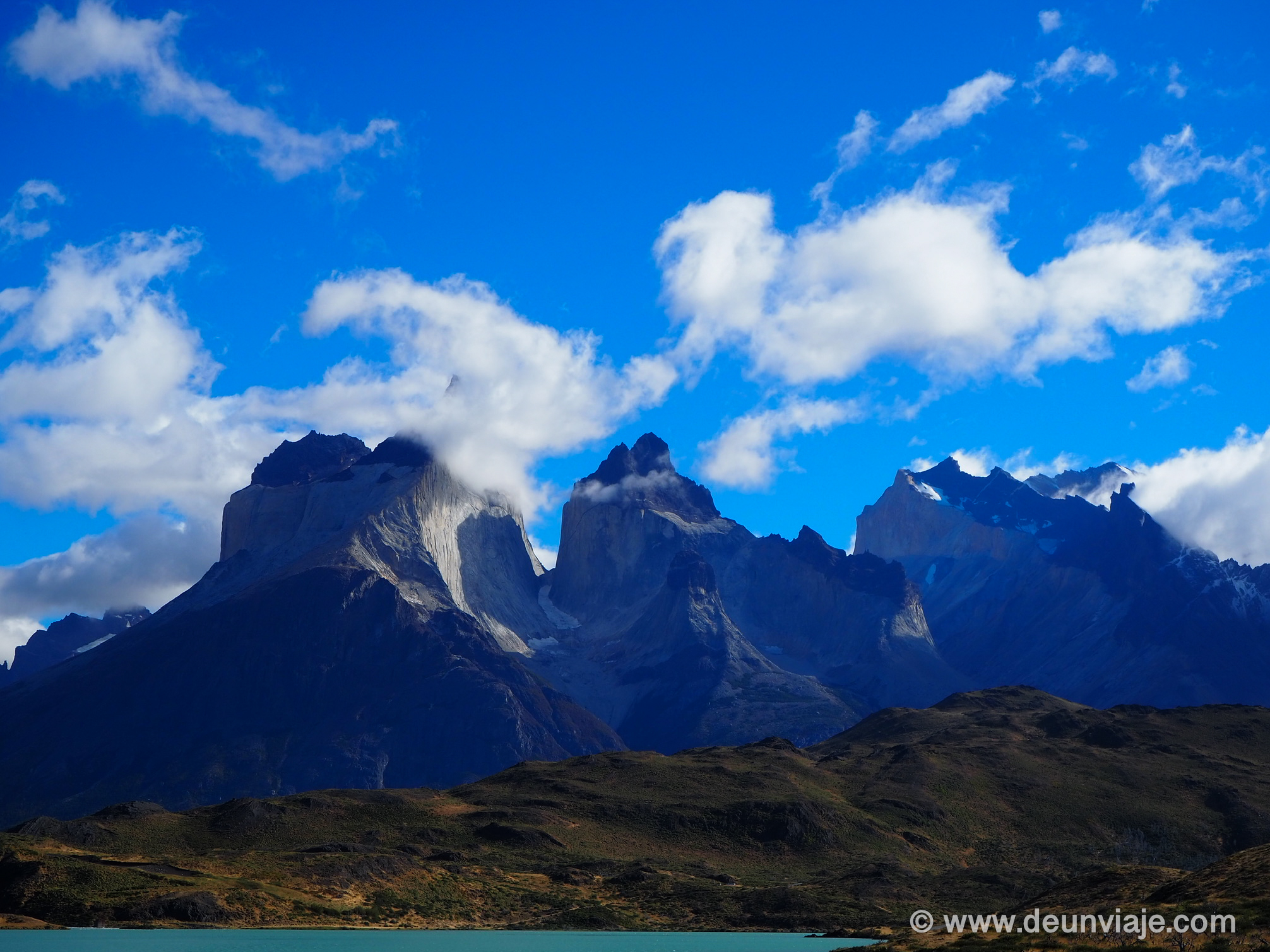
There are countries you visit, and then there are countries that get under your skin. Chile is the second kind.
It doesn’t ease you in gently. From the moment you arrive, it throws everything at you — a desert so ancient it makes time feel irrelevant, volcanoes that glow at dusk, lakes so blue they look invented, and glaciers that crack and groan like living things. All of this packed into one long, impossibly narrow strip of land running down the edge of a continent.
But here’s what maps don’t tell you: Chile isn’t just a landscape. It’s a mood. It shifts with the seasons, with the altitude, with the light. The north smells of salt and mineral dust. The south smells of rain and cold pine. The central valleys smell of fermenting grapes in March and wood smoke in July. Every few hundred miles, you’re in a different world — and somehow, it all belongs to the same place.
I know this country in all its seasons, in its quiet and its wild. And I want to show you the version most travelers never find — not the postcard, but the real thing.
So let’s talk about when to come, where to go, and why Chile will stay with you long after you leave.
The North: Where the Desert Teaches You Silence
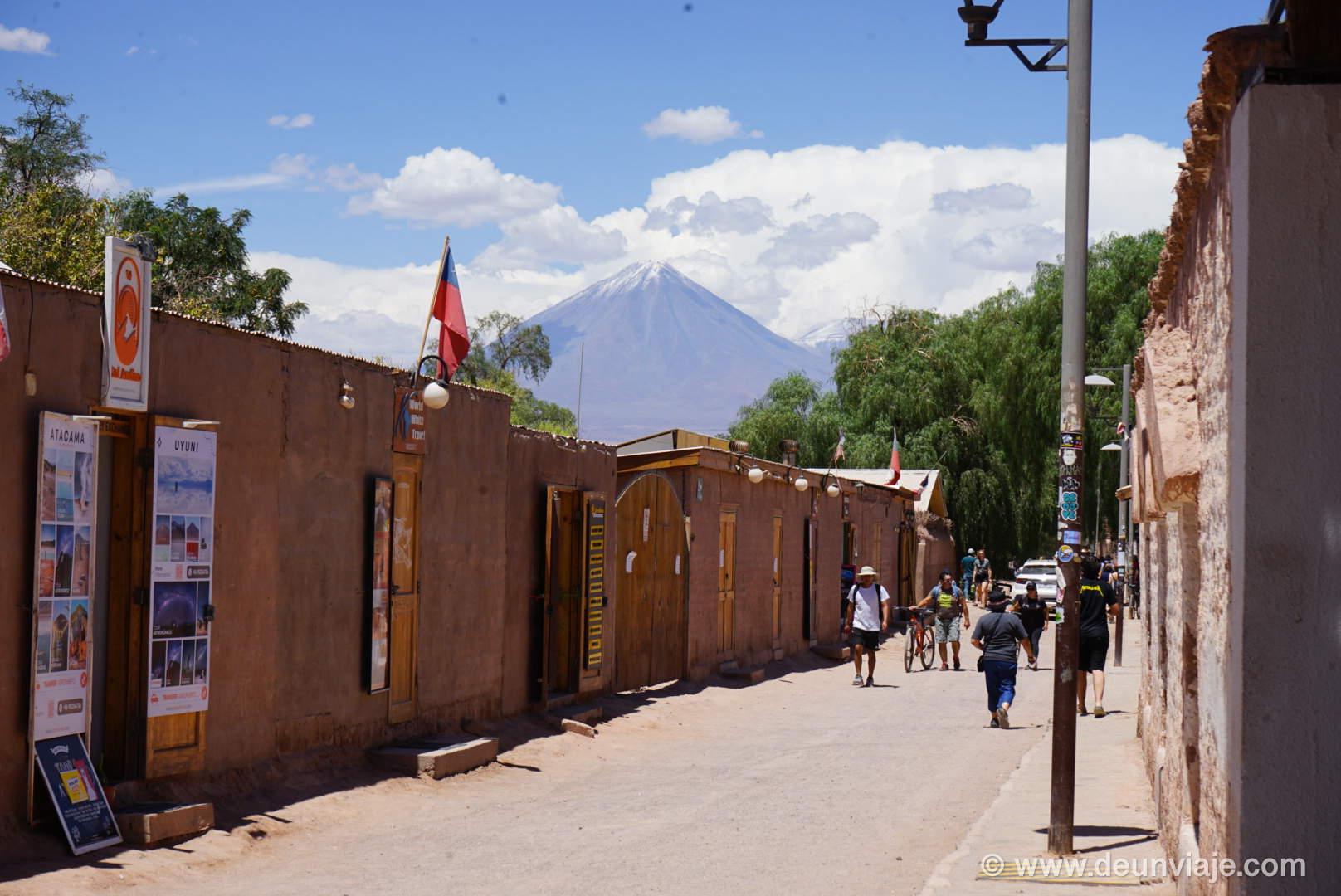
The Atacama isn’t just a desert. It’s the oldest one on Earth, and it looks the part — red rock formations, salt flats that stretch to the horizon, flamingos standing knee-deep in lagoons the color of a bruise. When the light hits it in the late afternoon, the whole place turns amber and you forget what day it is.
Best time to visit: April through December.
Avoid January to March. That window brings the “Andean Winter” — unexpected rains that turn the roads into rivers of metallic-smelling mud and close off the backroads you actually want to drive. The desert doesn’t do rain gracefully.
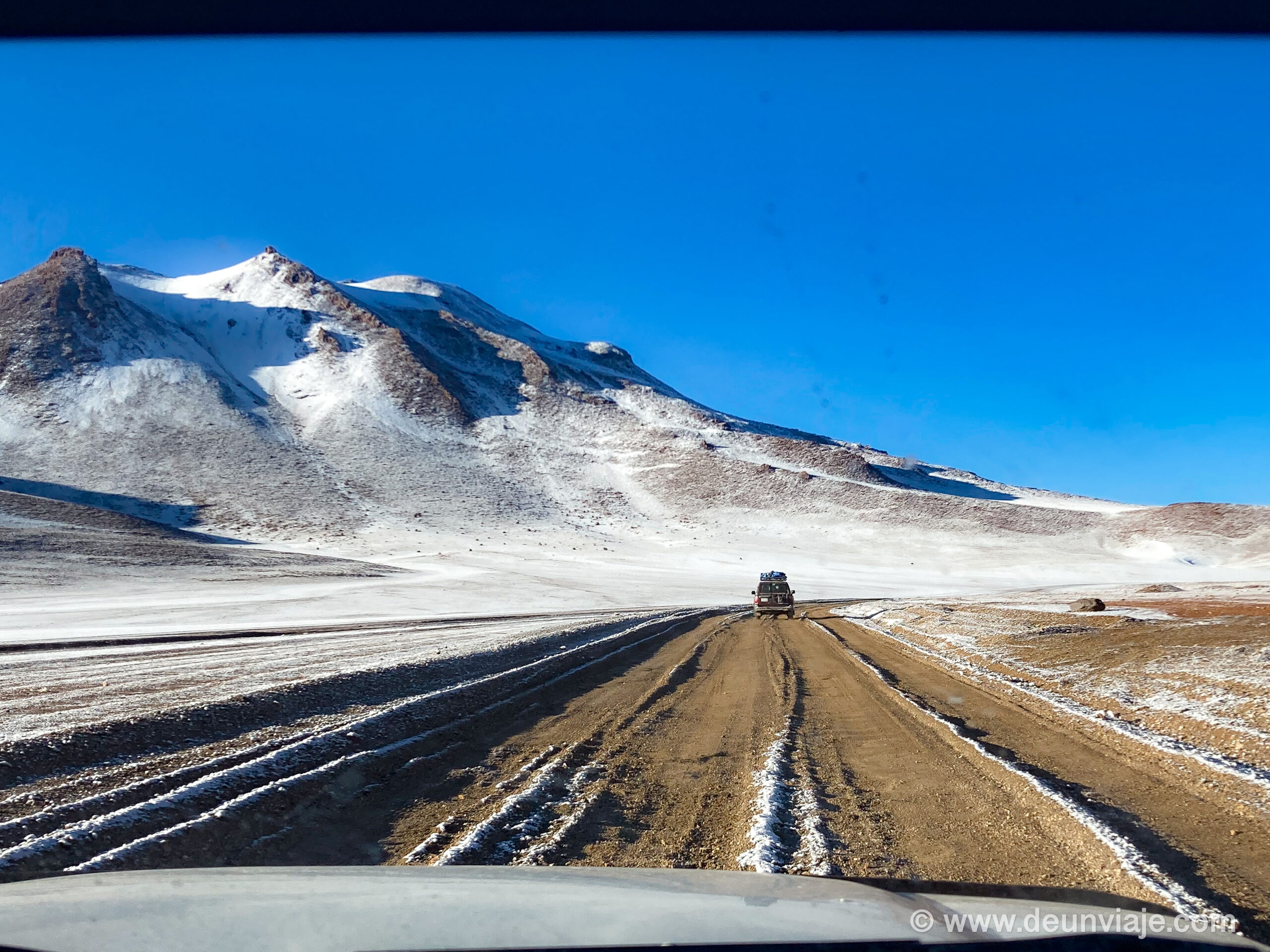
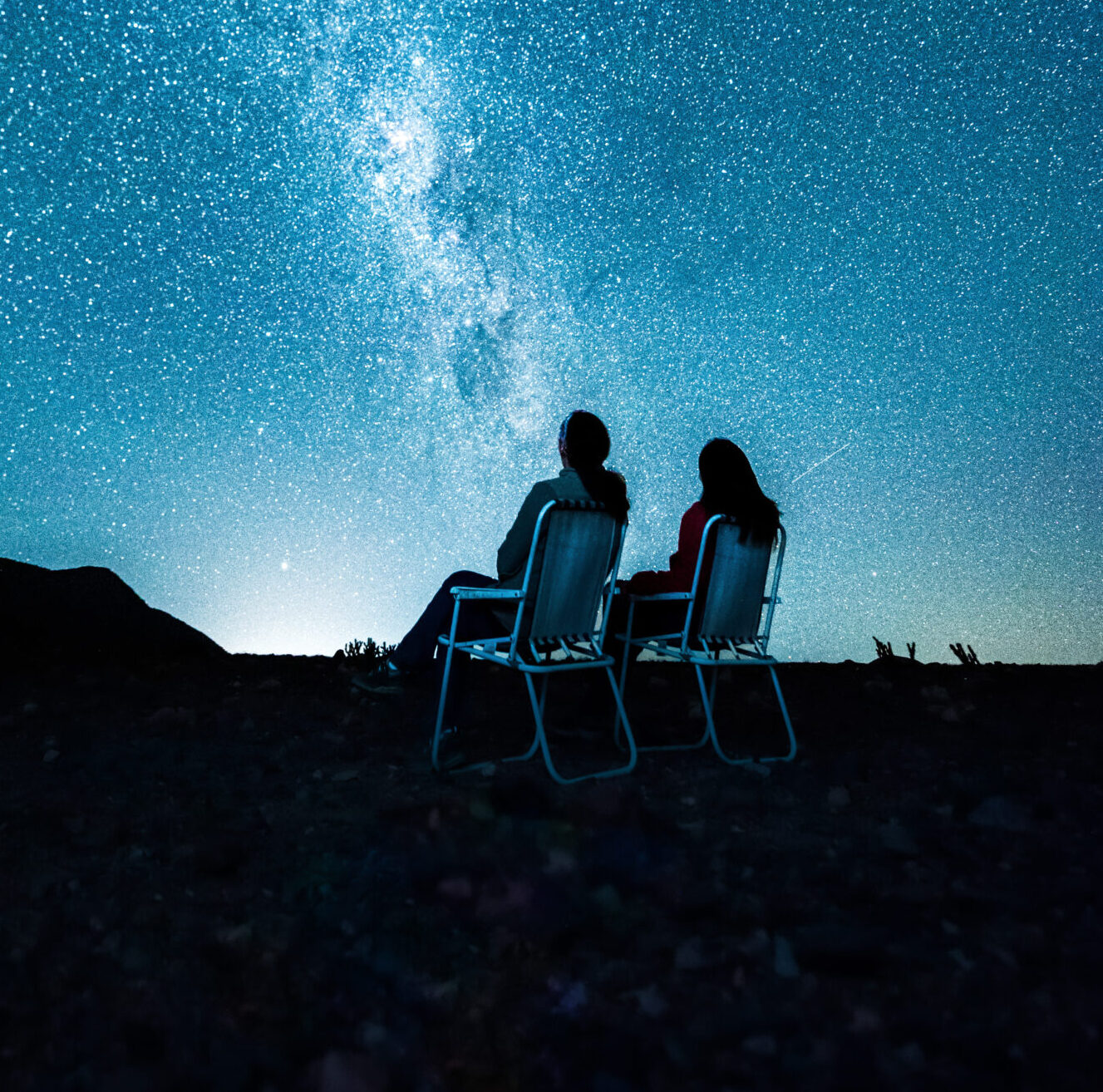
Outside that window, the Atacama is extraordinary. In the shoulder months especially, the crowds thin and you get to stand by a salt lagoon in total silence. No tour buses. No scheduled stops. Just you, the sky, and a landscape that feels genuinely prehistoric.
Santiago & Valparaíso: The Heartland That Moves You
People underestimate the center. They rush through Santiago to get to the extremes — north or south — and miss one of the most alive corners of the country.
Santiago is a city that breathes differently depending on the season. The Andes frame it on clear days like a backdrop you can’t quite believe is real. And Valparaíso — Valparaíso is its own universe. A port city of steep hills, painted staircases, street art that belongs in galleries, and a nightlife that doesn’t apologize for anything.
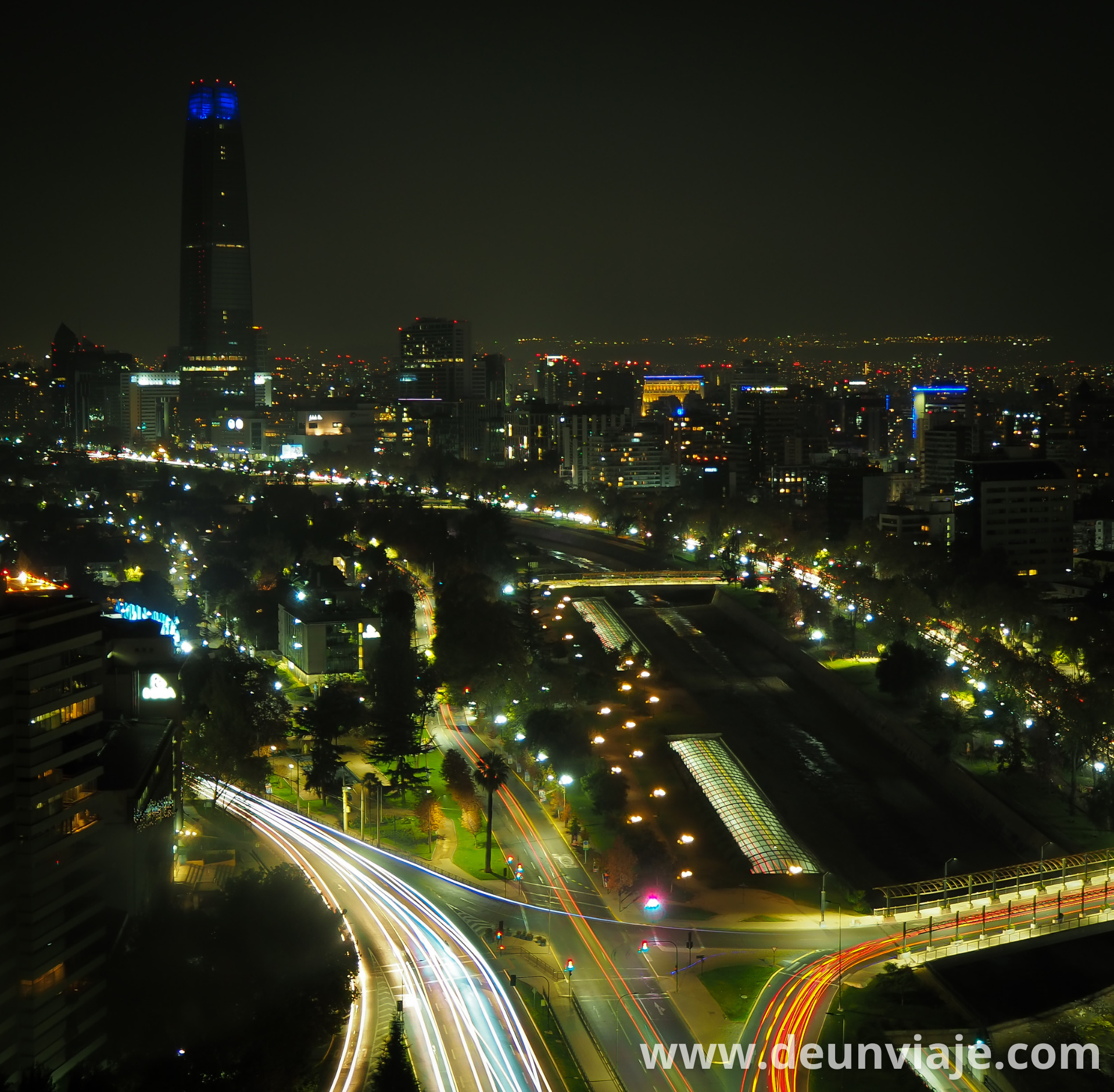
Best time to visit: September–November (Spring) and February–April (Autumn).
These are the sweet spots. Long, warm days perfect for walking. The light in autumn especially is golden and generous, and the city feels unhurried in a way it doesn’t in peak summer.
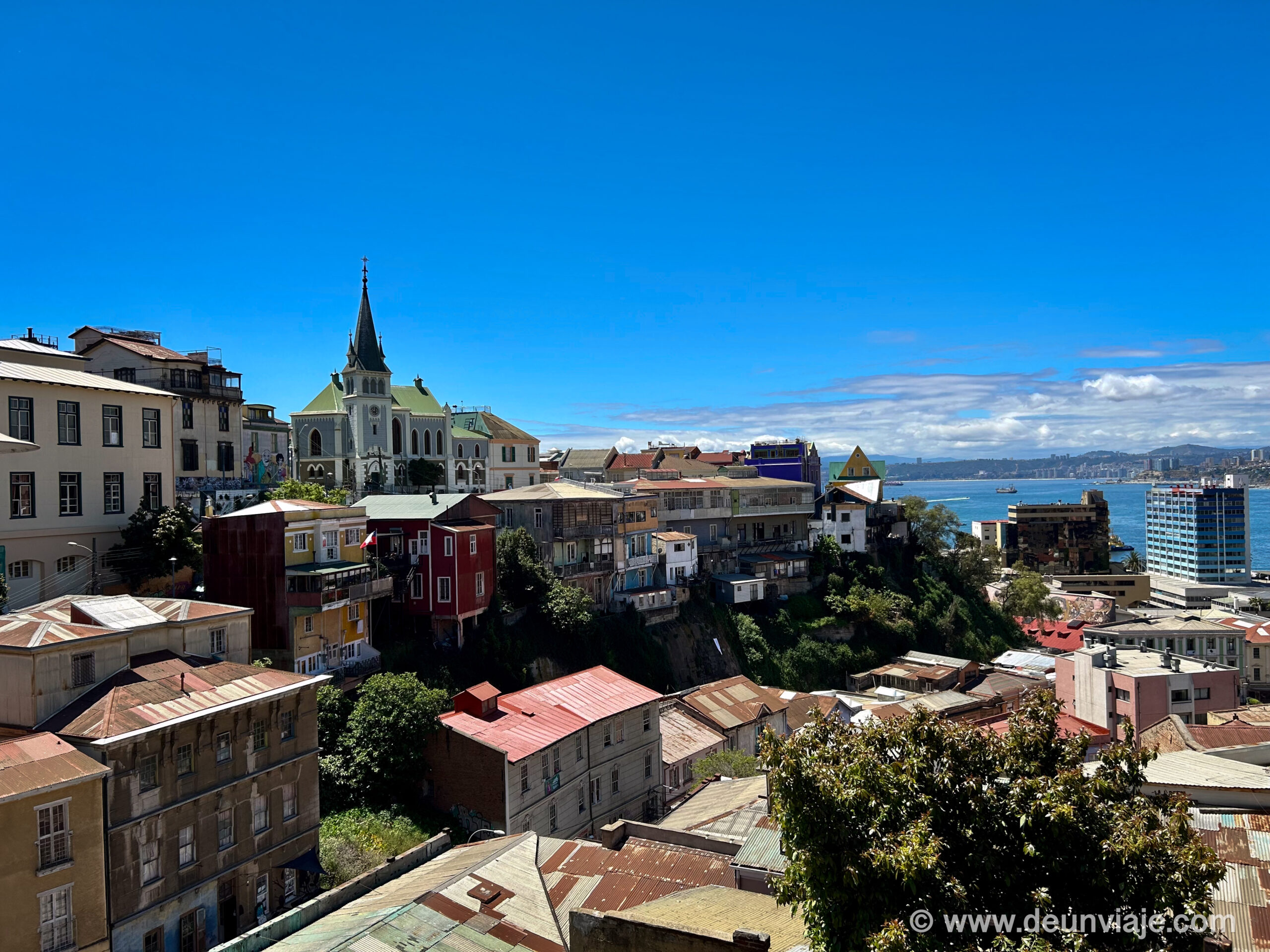
But here’s something worth knowing: Valparaíso in winter rain is something else entirely. From May to August, the grey rolls in — and the city leans into it. You’ll hear cueca or jazz drifting from basement bars. The kitchens fill with the smell of charquicán stew. It’s grounded and intimate, a version of the city that belongs to the people who actually live there. Most tourists never see it. That alone might be reason enough to come.
The Wine Routes: Come in March or Don’t Come at All
If wine is your thing, there is one month that makes all others irrelevant: March.
This is Vendimia season — the grape harvest. The central valleys exhale after a long summer and the air turns sweet and fermented. Festivals break out across the vineyards. Everyone is in a good mood. The whole region feels like a celebration that’s been building for twelve months.
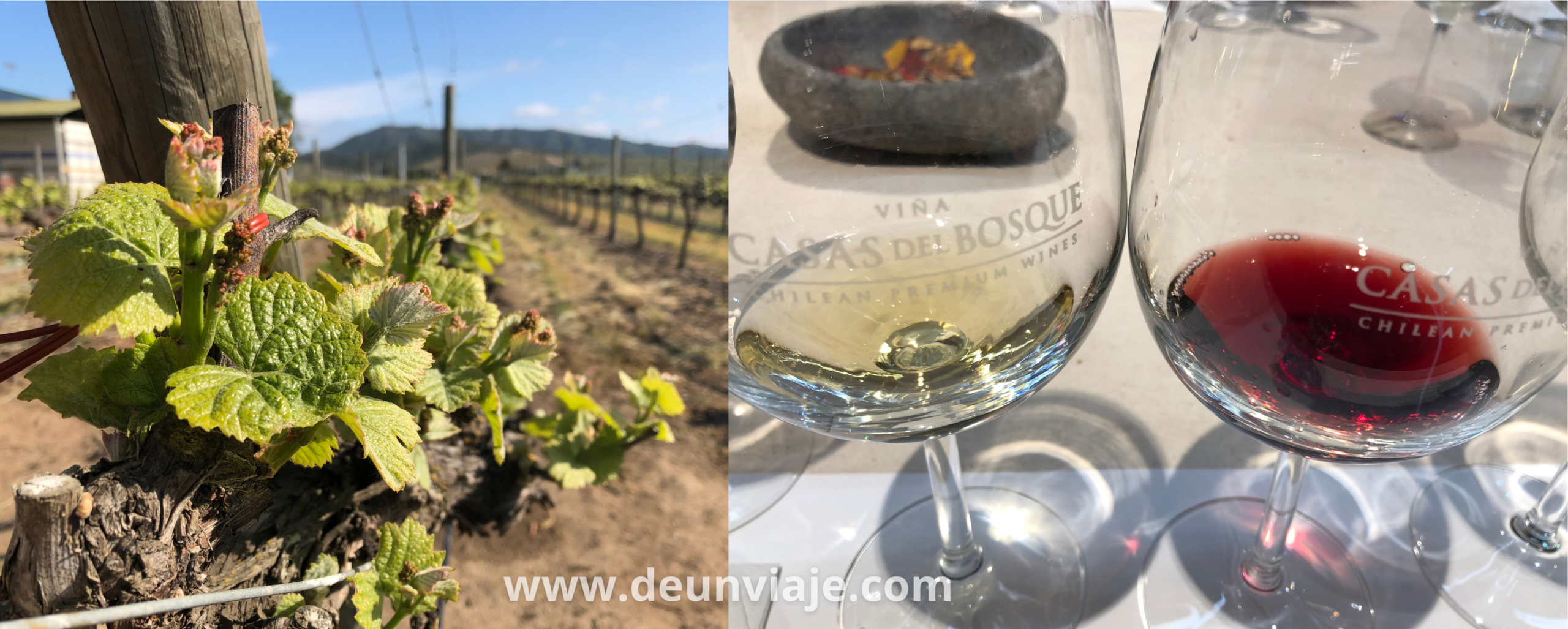
If March doesn’t work, aim for February–April or September–November. Autumn in the valleys is visually stunning — the vines turn from emerald to deep rust and burgundy, and the landscape earns its beauty honestly.
The Lakes District: Volcanoes, Deep Water, and Deep Roots
Heading south, the dust gives way to an emerald world. Volcanoes rise from forests. Lakes stretch so wide you can’t see the other side. The air is cool and smells of rain and earth.
This is the Mapuche heartland, and that matters. The Mapuche people didn’t just pass through this land — they are woven into it. You see it in the heavy silverwork at local markets, in the way respect for the mountains and rivers isn’t a tourist concept here but something genuinely lived. Take your time in this part of Chile. Move slowly. Ask questions.
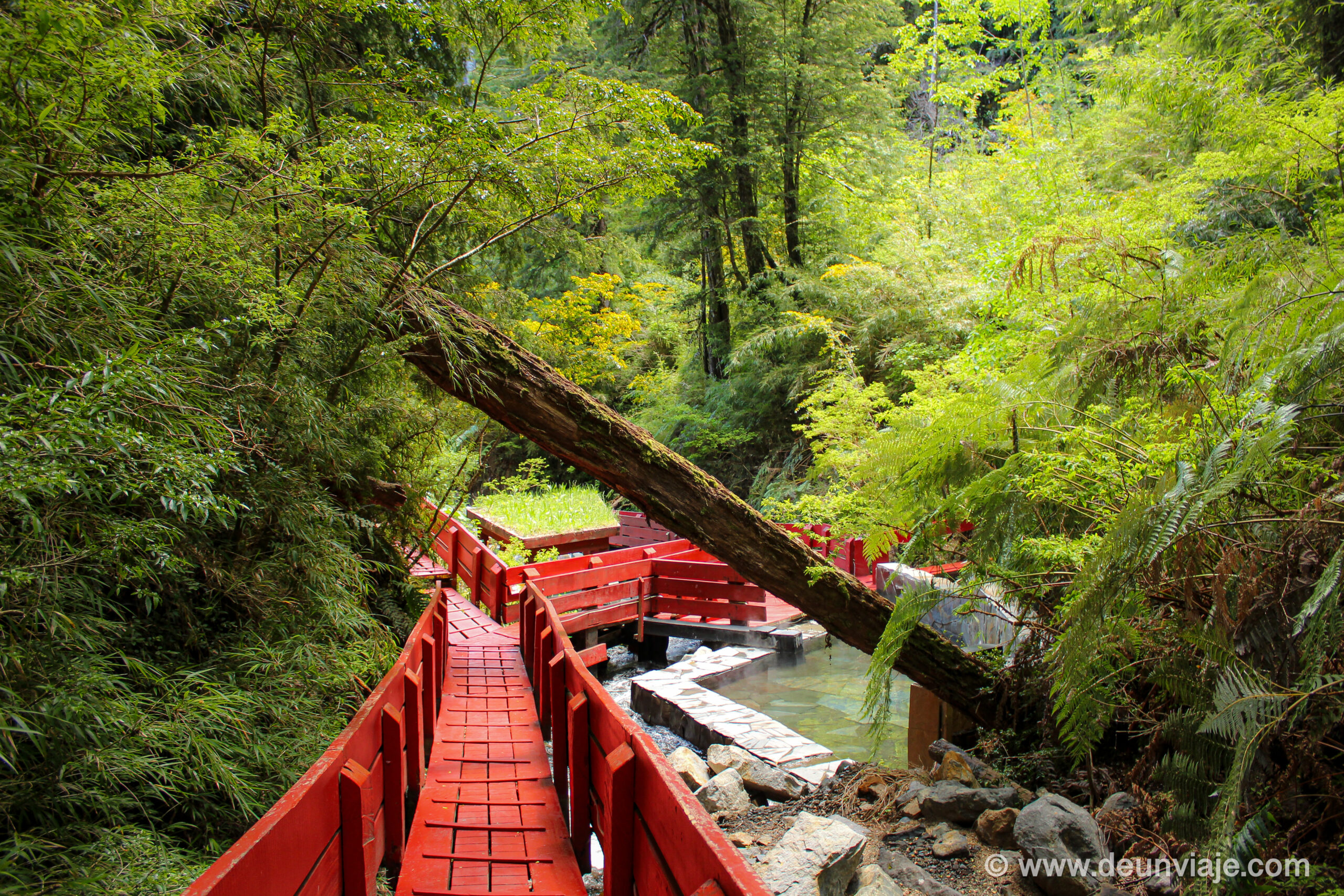
Best time to visit the Lakes and Chiloé Archipelago: December through March.
Chiloé deserves its own paragraph. It’s a world of mist, moss, and wooden palafito houses built on stilts over the water. The UNESCO-listed churches — painted in yellows and blues, standing since the 17th century — feel like they grew out of the landscape rather than being built on it. It’s wet and moody and completely unforgettable.
Patagonia: The Edge of the World
Let’s be honest about what Patagonia is: it is extreme. Even in peak summer (December–March), temperatures rarely push past 11°C, and the wind is a force of nature that no jacket fully solves. It will get inside your layers and remind you it was here long before you.
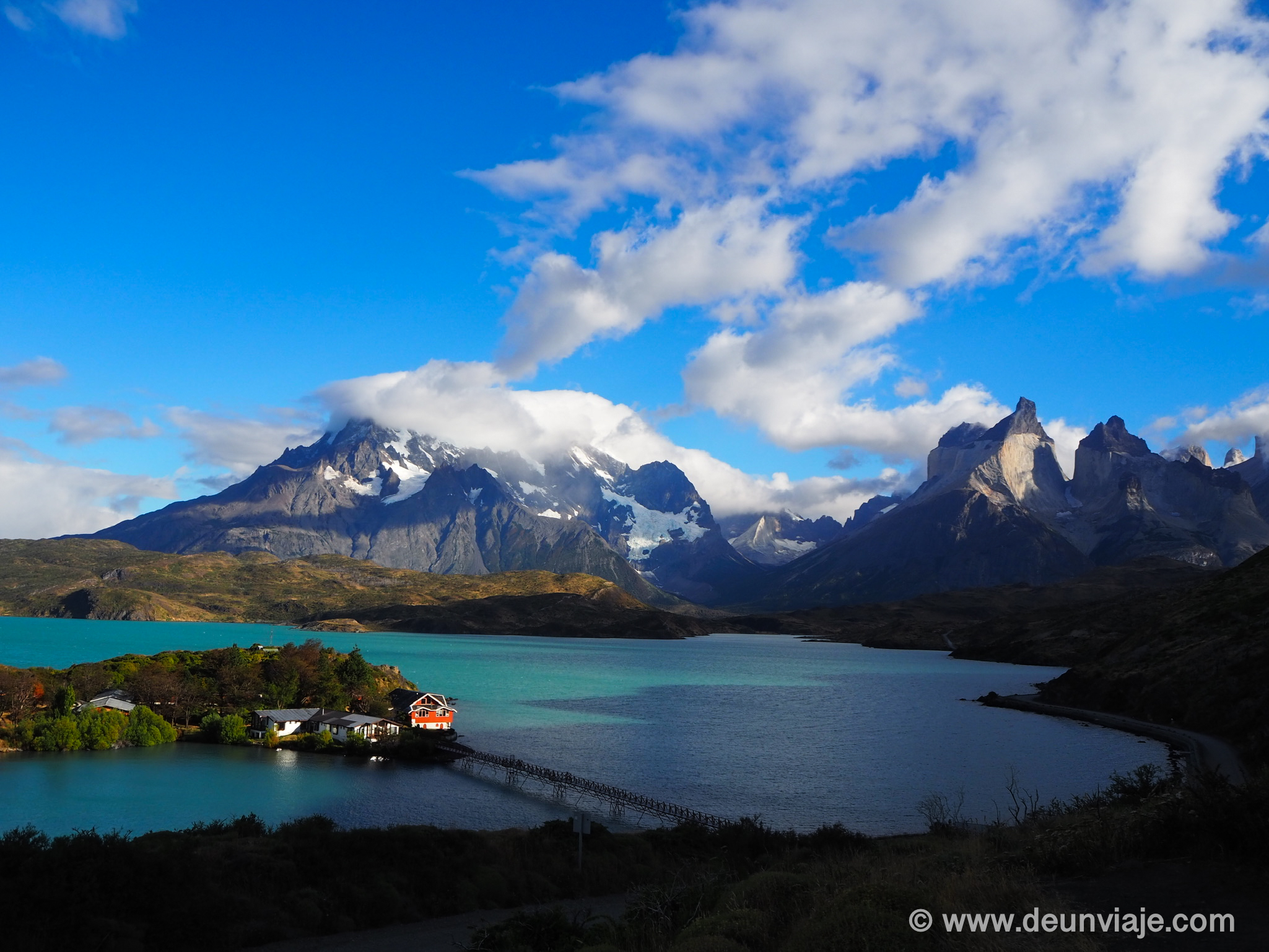
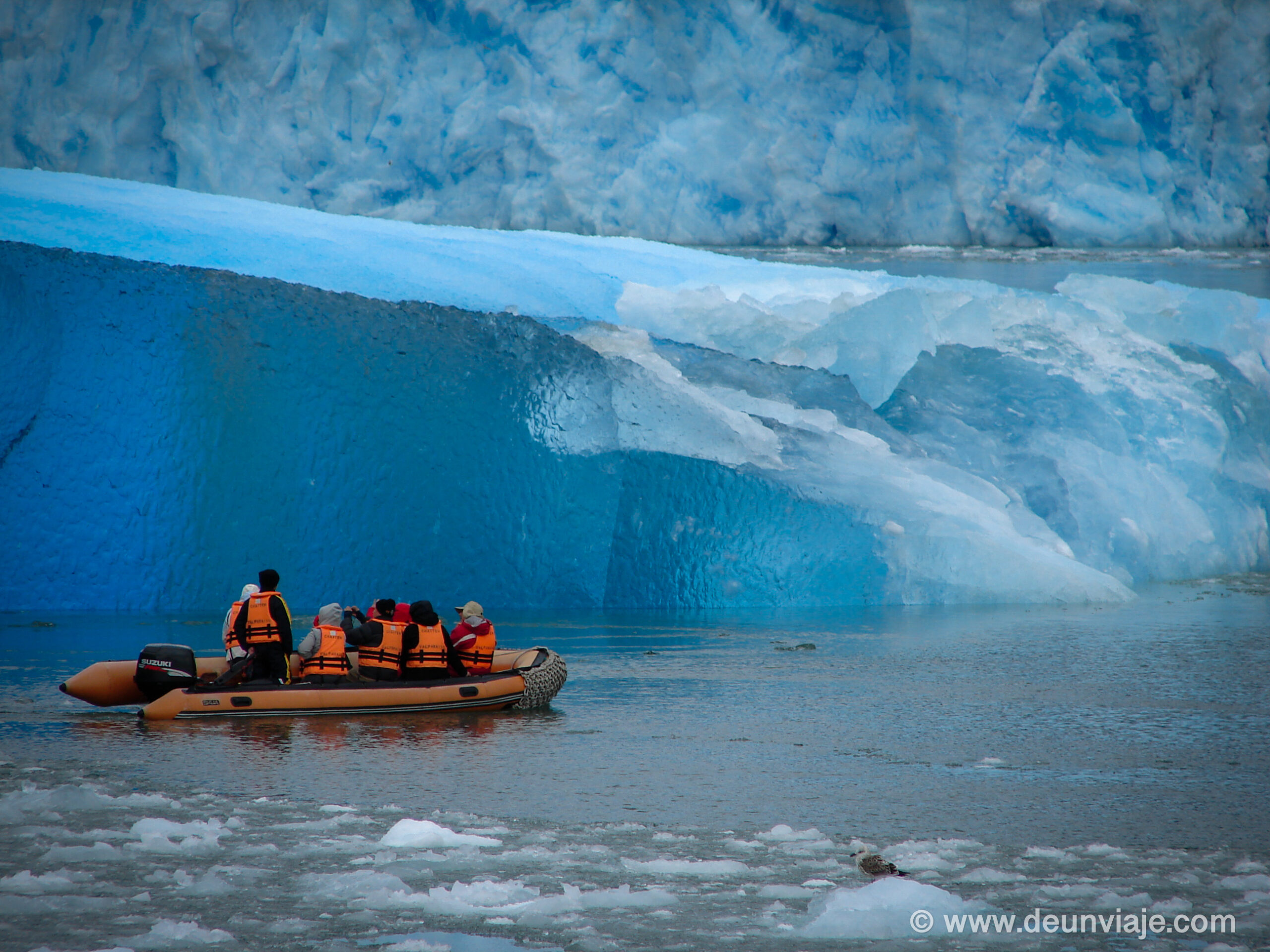
And yet — you go anyway. Because the forests are ancient. Because the waterfalls come out of nowhere. Because standing in front of a Patagonian glacier and hearing it shift and crack is one of those experiences that resets your sense of scale in a way nothing else does.
Go in summer. Go prepared. And go with the understanding that the weather will do what it wants, and your job is just to show up and be present for whatever it offers.
Rapa Nui: The Loneliest Island on Earth
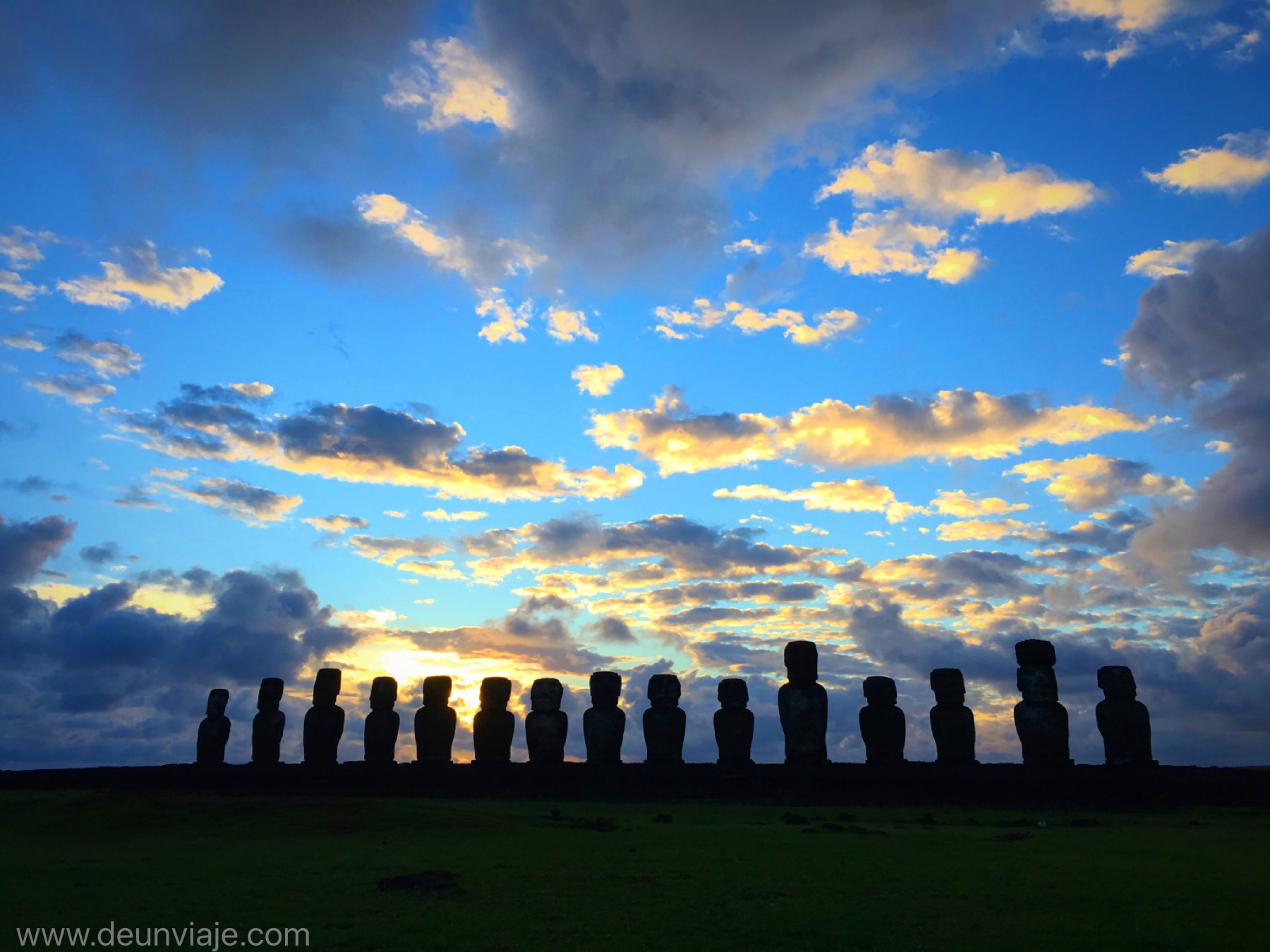
Far out in the Pacific, Rapa Nui (Easter Island) sits alone — the most remote inhabited island on the planet. It’s Polynesia, but don’t assume tropical warmth. The island has its own temperament, and it can get surprisingly cool and damp.
Best time to visit: Summer months, when the weather is stable enough to cycle the coastal roads, dive the crystal-clear water, and sit in front of the moai as the sun goes down without freezing.
But whenever you come — come with reverence. This is a sacred place with a complex, painful history and a living culture that deserves more than a quick photo stop.
The Low Season Secret: Why June–August Is Worth Considering
Here is something most travel guides won’t tell you: Chile in winter is quietly wonderful.
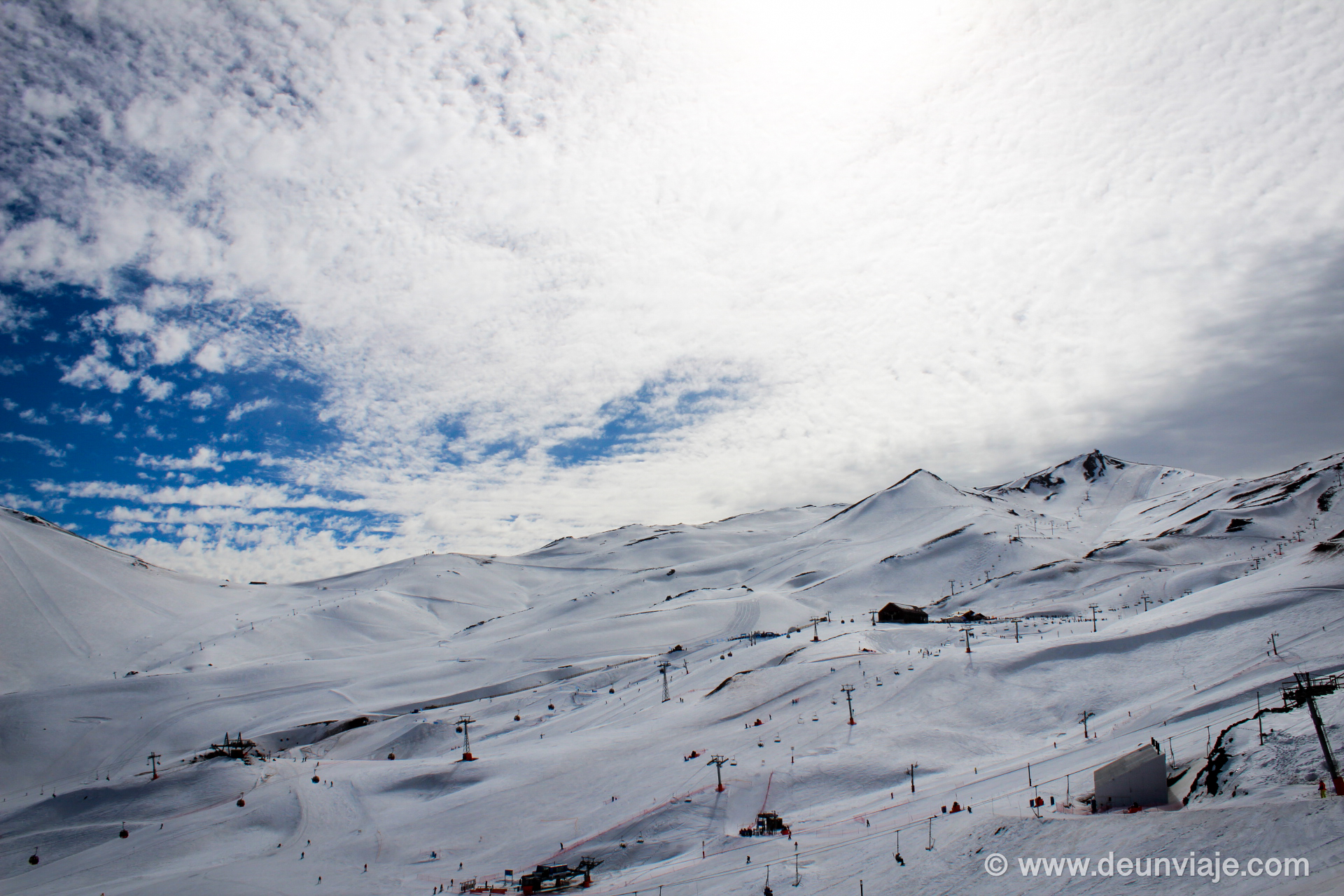
Yes, it’s cold in the south. Yes, some roads close. But for the parts of Chile that stay open, the off-season offers something the high season simply can’t: space, stillness, and the feeling that the country is yours.
A few reasons to consider it:
You’ll be alone (in the best way). Stand at the edge of a geyser in San Pedro de Atacama and be the only person there. That kind of silence is a gift.
Your money goes further. Flights drop. Hotels drop. The best table in the best restaurant in town is available tonight, no reservation needed.
Locals have time for you. In high season, you’re one of thousands. In low season, you’re a guest. That difference is felt in every conversation.
The Carretera Austral in winter is haunting. This long, rugged road through Patagonia is spectacular any time — but in winter, stripped of crowds and lush summer greenery, it becomes something rawer and more honest. Cold, yes. Worth it? Absolutely.
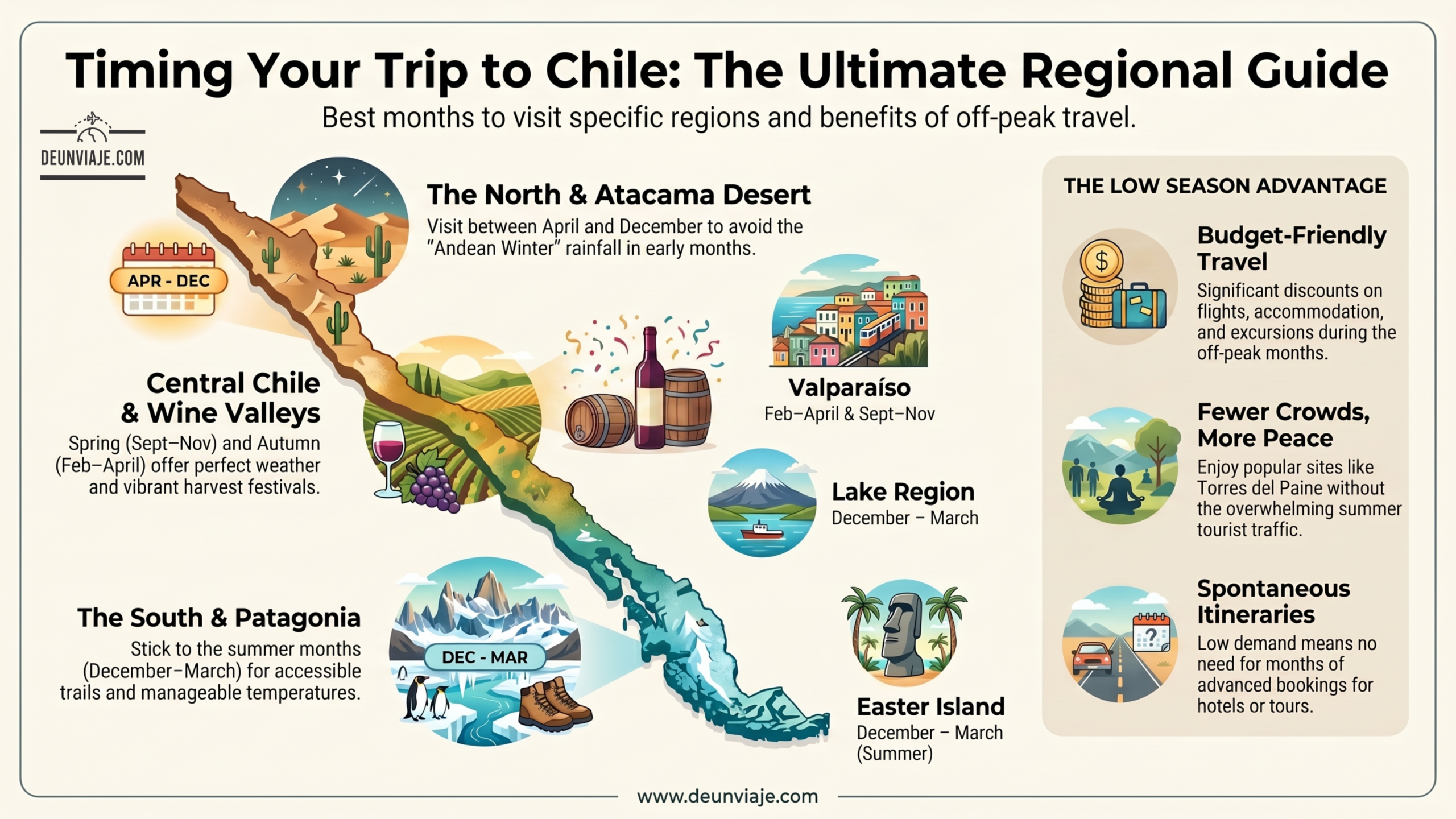
Quick Reference: Best Times to Visit by Region
| Region | Best Window | Notes |
|---|---|---|
| Atacama Desert | April – December | Avoid Jan–Mar rains |
| Santiago & Valparaíso | Sep–Nov / Feb–Apr | Winter has its own quiet charm |
| Wine Valleys | March (peak) / Feb–Apr, Sep–Nov | Vendimia in March is unmissable |
| Lakes District & Chiloé | December – March | Misty and magical year-round |
| Patagonia | December – March | Max ~11°C, wind always present |
| Rapa Nui | Summer months | Come with time and respect |
| Low-Season Road Trip | June – August | Carretera Austral for solitude seekers |
One Last Thing
Chile is not a country you consume. It’s one you absorb — slowly, over time, through its silences as much as its spectacles. The wind in Patagonia, the stillness of the Atacama at night, the noise of Valparaíso at 2am — these things stay with you.
Come ready to be surprised. Come with flexibility in your plans and openness in your expectations. Come in any season, because every season shows you a different face of the same extraordinary place.
And when you leave — and you will eventually, reluctantly, leave — you’ll already be thinking about when you can come back.
deUnViaje…
Elegimos viajar sin pretensiones y volver con fotos que hablen por sí solas. Este blog es nuestro diario de trayectos, instantes y miradas. Aquí solo compartimos lo que vemos, lejos de las tendencias y cerca de la esencia de cada destino. Nos mueve la fotografía, una buena cerveza y el refugio de un libro de viajes.
↗ Síguenos en Instagram @deunviaje